


rmur-new-logo

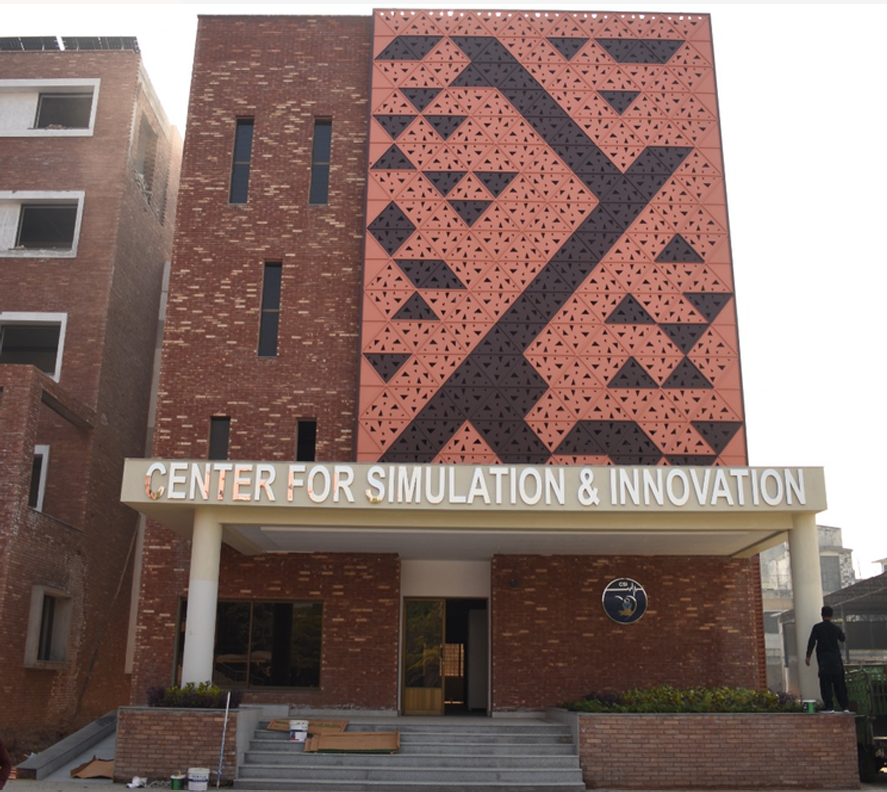
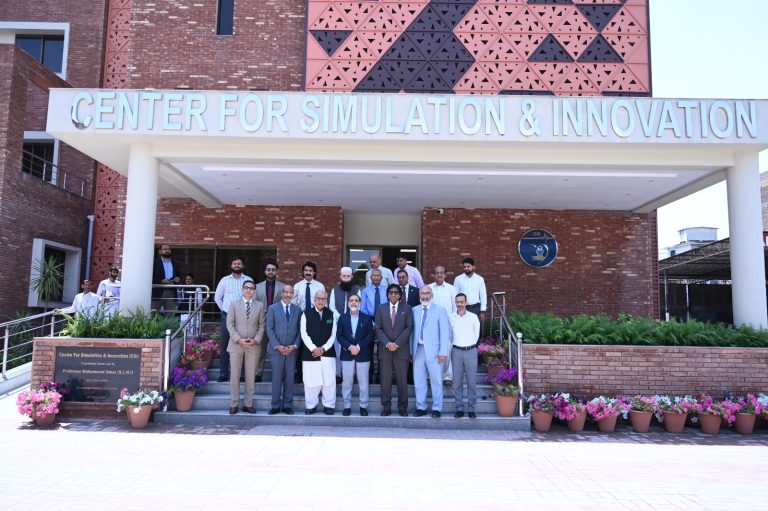
Center for Simulation and Innovation

Rawalpindi Medical University

About CSI

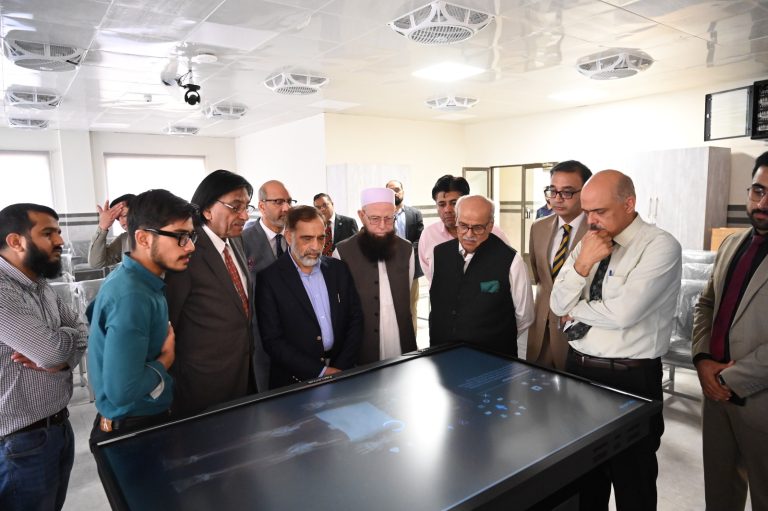
The Center for Simulation & Innovation (CSI) at Rawalpindi Medical University is dedicated to transforming healthcare education through advanced simulation, emerging technologies, and innovative learning methodologies. Established with a vision to prepare future-ready healthcare professionals, the Center provides a safe and immersive environment where students, trainees, and healthcare teams can develop clinical competence, critical thinking, communication, and teamwork skills without risk to patients.

By integrating high-fidelity simulation, procedural skills training, standardized patient encounters, digital technologies, artificial intelligence, and interdisciplinary education, the Center bridges the gap between theoretical knowledge and real-world clinical practice. It serves undergraduate and postgraduate learners, nursing and allied health professionals, faculty members, and healthcare institutions committed to excellence in patient care.

The Center also promotes educational research, faculty development, innovation, and collaboration with national and international partners. Through simulation-based education and technology-enabled learning, Rawalpindi Medical University aims to foster a culture of continuous improvement, patient safety, and academic excellence.

As one of Pakistan’s leading academic health sciences institutions, the Center for Simulation & Innovation aspires to become a national hub for healthcare simulation, educational innovation, and transformative research—shaping the next generation of compassionate, competent, and globally competitive healthcare professionals.

Vision

To become a leading center for simulation-based healthcare education, innovation, and research in Pakistan.

Mission

Enhancing patient safety and clinical competence through advanced simulation and innovation technologies.

Objectives

Training healthcare professionals, promoting innovation, research excellence, and digital health solutions.

CSI Dashboard

4123

Total Students

4

Workshops

20+

Research Projects

10+

Innovation Projects

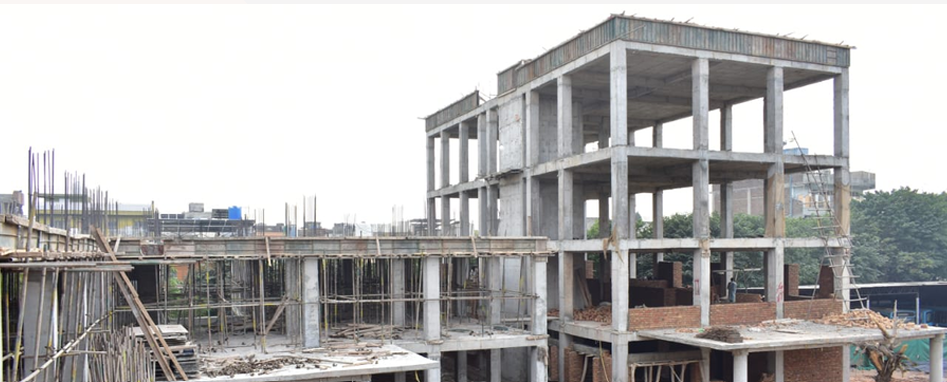
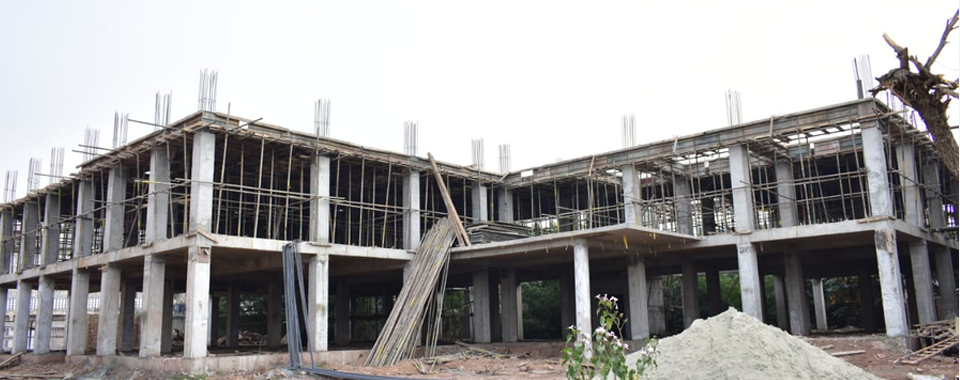
Infrastructure

Planning

April 2024 - November 2025

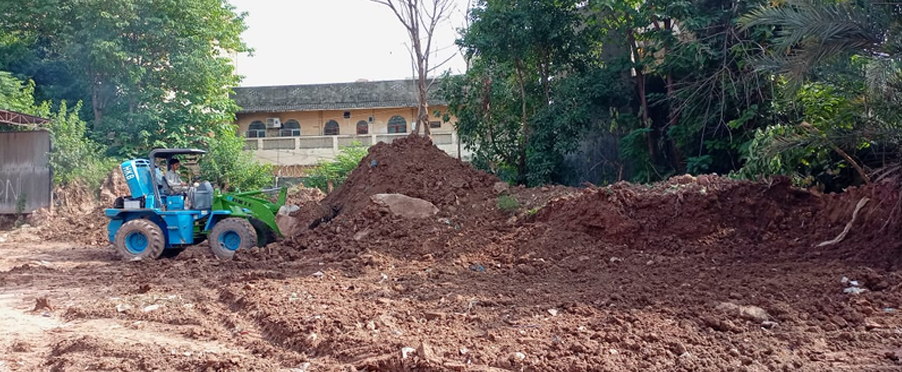
Earth Breaking

April 2024

Foundation

May 2024

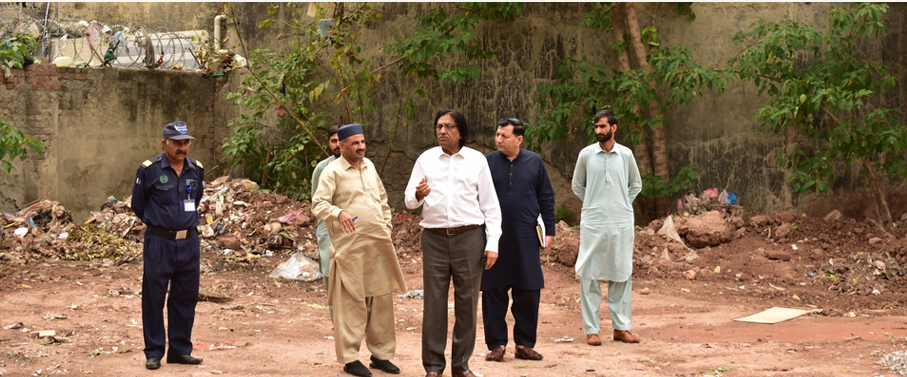
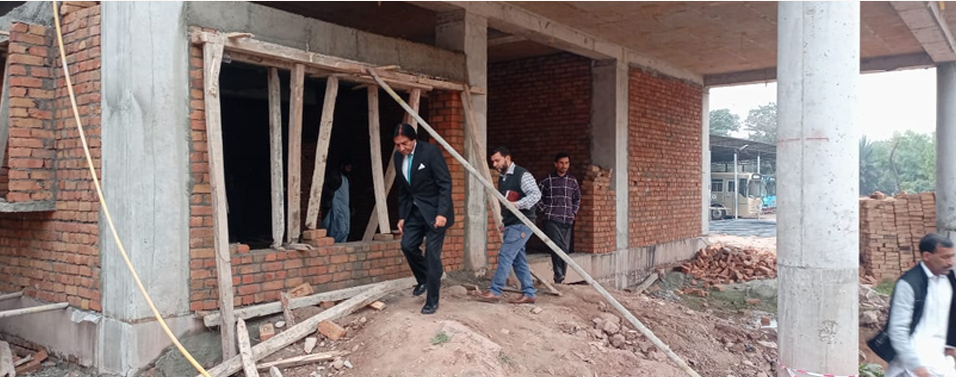
Monitoring

June 2024

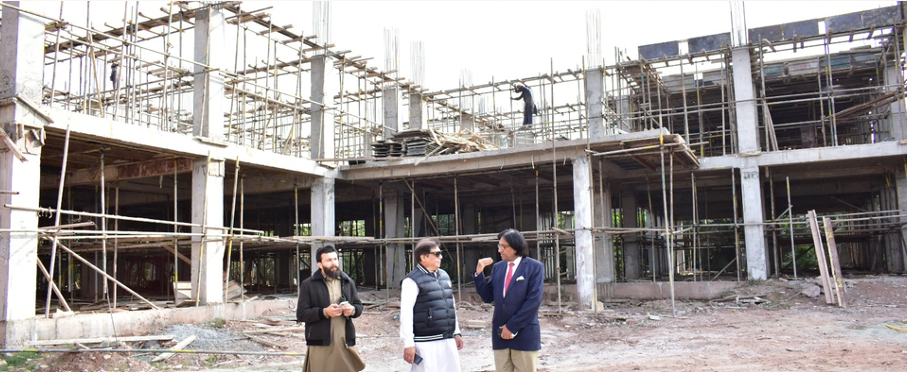
Progress

July 2024

Monitoring

Sept 2024

Monitoring

Oct 2024

Monitoring

Nov 2024

Monitoring

Nov 2024

Monitoring

Feb 2025

Monitoring

Mar 2025

Monitoring

Apr 2025

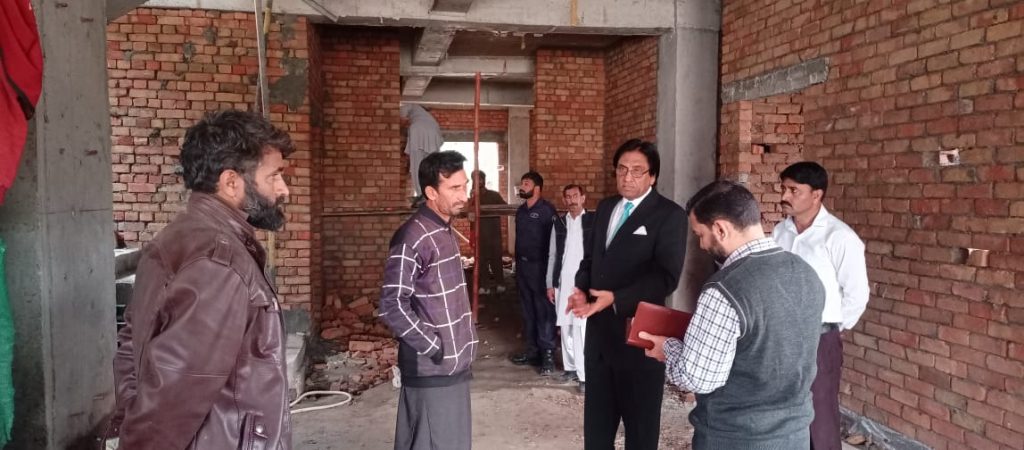
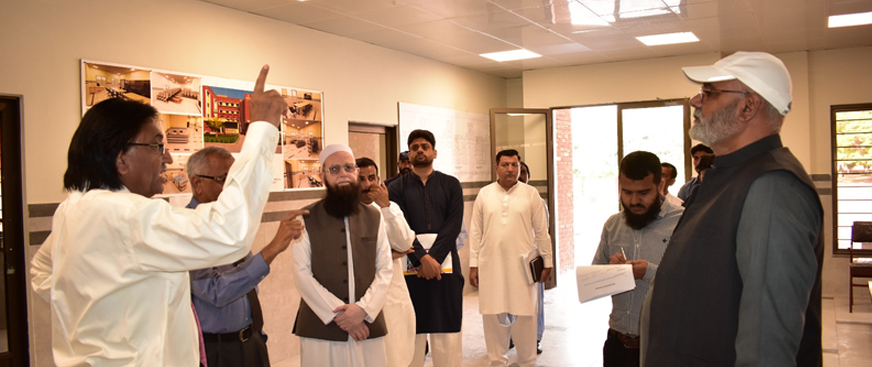
Inside View

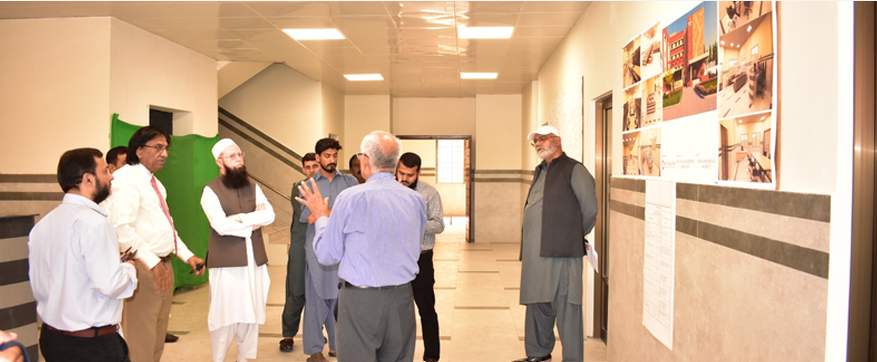
May 2025

Inside View

Aug 2025

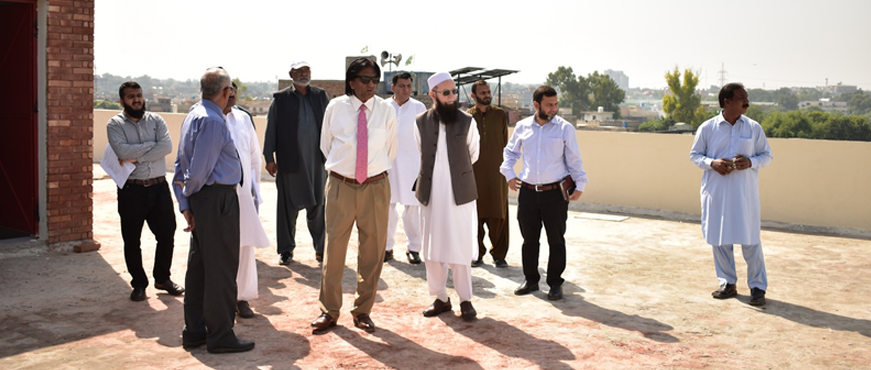
Roof Top

Aug 2025

Project Completion

2025

Project Cost

Rs. 1690 Million

Facilities

Clinical Simulation Labs
Operating Room Simulation
ICU Simulation Unit
Emergency Medicine Lab
VR & AR Lab
3D Printing Lab
AI Innovation Lab
Debriefing Rooms

Our Team

Prof. Dr. Muhammmad Umar (SI, HI)

Vice Chancellor RMU & Allied Hospitals

Prof. Dr. Usman Qureshi

Director CSI

Prof. Dr. Usman Qureshi

Director CSI

Dr. Arsalan Manzoor

Manager Operations

Dr. Arsalan Manzoor

Manager Operations

Dr. Junaid Khan

Deputy Director CSI

Dr. Junaid Khan

Deputy Director CSI

Name

Designation

Name

Designation

Name

Designation

Simulation Programs

MBBS Training
Postgraduate Training
OSCE Preparation
Disaster Management

Innovation Hub

Artificial Intelligence
Digital Health
Medical Devices
Healthcare Startups
Hackathons
Innovation Challenges

Research & Publications

Medical Education Research
Simulation Research
Trauma Management
Publications

Courses & Workshops

BLS
ACLS
AI Research
Publications
Ultrasound Skills
Communication Skills

Faculty Development

Faculty Development
Curriculum Development
Simulation Instructor
Certification
Assessment Training
Leadership Workshops

Students & Trainees

Clinical Skills
Mentorship Programs
Innovation Clubs
Research Opportunities
Simulation Schedules
Educational Workshops

Collaborations

National Partnerships
International Partnerships
Exchange Programs
Industry Collaborations
Visiting Scholars
International Faculty

Resources

Conferences
Workshops
Innovation Comptetitions
Announcements

Simulation Technologies

Human Patient Simulators

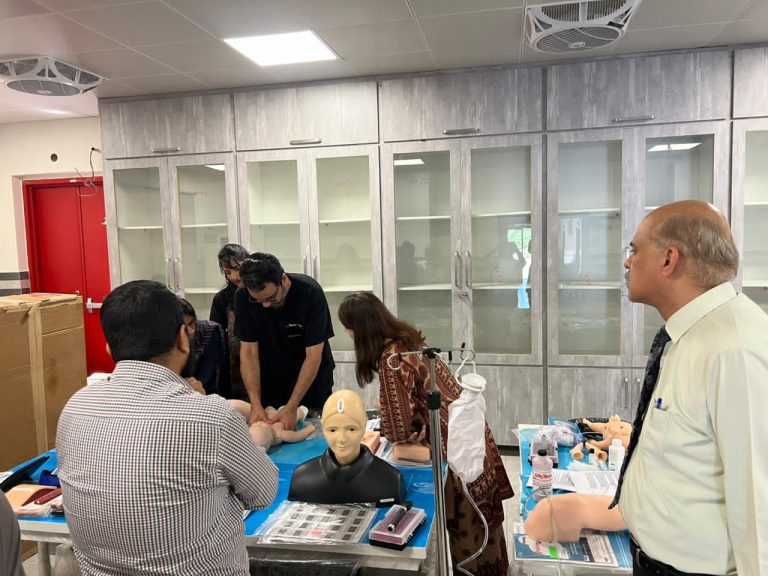
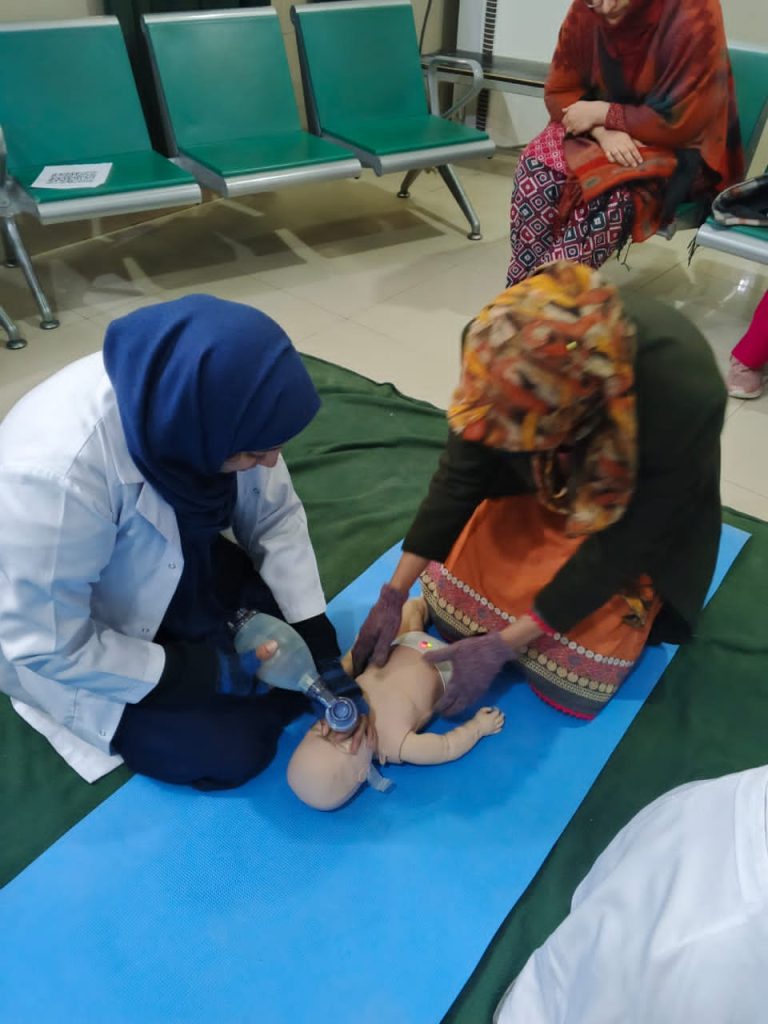
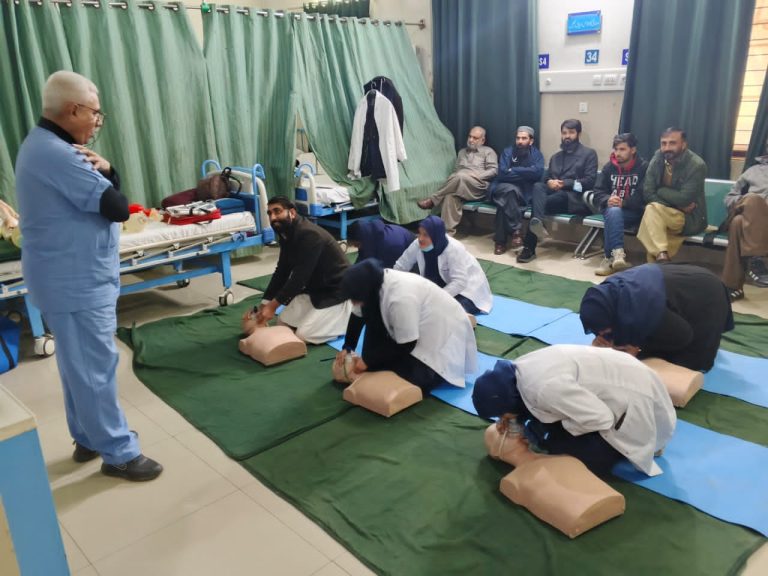
Simulation mannequins are crucial components of medical school simulation labs, equipping students with the skills and confidence needed for real-world clinical environments. The Center has a diverse range of mannequins that replicate human physiology across various age groups, enabling dynamic responses to medical interventions. Through immersive training scenarios, students engage in hands-on practice of clinical skills and decision-making within a secure and supervised setting. This immersive approach fosters the development of confidence and competence among students, preparing them effectively for clinical practice.

Clinical Equipment

The Simulation Center features an array of medical equipment commonly found in real-world clinical environments, all usable on our manikins during medical simulations. These devices encompass ventilators, defibrillators, and ultrasound machines. By incorporating these technologies into medical education programs, our center ensures students receive a thorough training experience, ultimately enhancing patient care outcomes.

Procedural Task Trainers

Students can access procedural task training rooms to master and rehearse a range of procedural skills in a controlled setting before applying them in real-world situations. Task trainers provide an excellent platform for honing skills like blood drawing, wound care, lumbar puncture, central line insertion, IV placement, Fundamentals of Laparoscopic Surgery, and airway management.

Virtual and Screen Based Simulators

These devices replicate human physiology, enabling users to engage with lifelike patient scenarios and assess virtual patients. Examples of such trainers include the Sonosim Virtual Ultrasound, Eyesi Direct Ophthalmoscope, and EyeSim Virtual Reality Ophthalmic Simulator.

Facilities

The Center for Simulation and Innovation is particularly advantaged when it comes to accommodating large blocks of learners. Facilities encompass three wings of the Health Sciences Education Building (HSEB) at 435 N. 5th Street, Phoenix, Arizona.

The center, which opened in July 2012, has the capacity to educate many groups of students simultaneously. It is designed with highly adaptable simulation space and is outfitted with the latest technologies and equipment.

There are 6 procedure skills training labs and 14 simulation labs that include 11 hospital rooms, 1 emergency room and 2 obstetrics/surgery suites. The Simulation labs mimic in-patient hospital rooms and include an adult or pediatric high-fidelity mannequin, patient and stimulus monitors, and a functioning headwall. Other equipment, trainers and supplies may be added to support the simulation scenario. Additionally, each simulation lab has an associated, separately located operations control room and a dedicated teaching debriefing room, each accommodating the learners and faculty.

Simulation Environment

The task training rooms are available for students to learn a variety of procedural skills, including: blood drawing, wound care, lumbar puncture, joint injection, central line insertion, IV placement, arterial blood draw, chest tube insertion and airway management.

This is the heading

Lorem ipsum dolor sit amet, consectetur adipiscing elit. Ut elit tellus, luctus nec ullamcorper mattis, pulvinar dapibus leo.
This is the heading

Lorem ipsum dolor sit amet, consectetur adipiscing elit. Ut elit tellus, luctus nec ullamcorper mattis, pulvinar dapibus leo.