rmur-new-logo

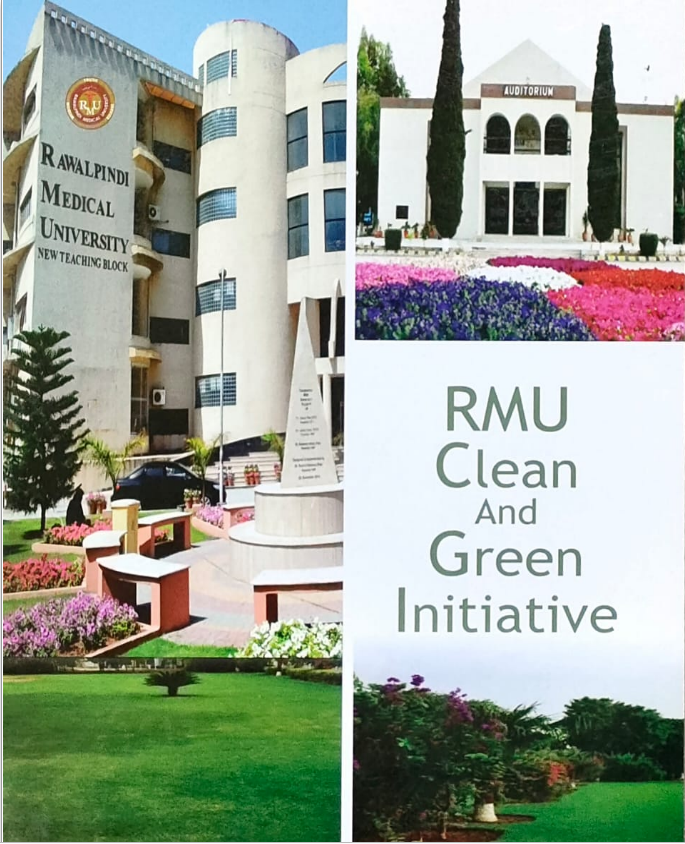
RMU Green University Campus

Journal of Health & Climate Change​

Journal of Health and Climate Change  is an open access, double blind peer reviewed medical journal. It is published biannually. It follows Committee on Publication Ethics (COPE). 

International Standard Serial Number

  • ISSN (Print) 3078-3194
  • ISSN (Online) 3078-3208

VICE CHANCELLOR RMU CLEAN & GREEN INITIATIVE

It gives great pleasure to write this message for Clean and Green Initiative, of Rawalpindi Medical University. RMU is showing its excellence not ONLY just in the field of education & patient care but also in horticulture.
In the wake of National Plantation Campaign initiated by Prime Minister Mr. Imran Khan, RMU establish Green Task Force to ensure lush green outfields, and planting hundreds of trees. The Global Climate Risk Index has placed Pakistan on the fifth spot on the list of countries most vulnerable to climate change in its annual report for 2020. RMU is playing its parts by conducting plantation campaigns, with zealous involvement of students & faculty. All allied hospitals, medical college, RMU colony are decorated with different varieties of plants.

Rawalpindi Medical University Celebrates Clean and Green Plantation Day

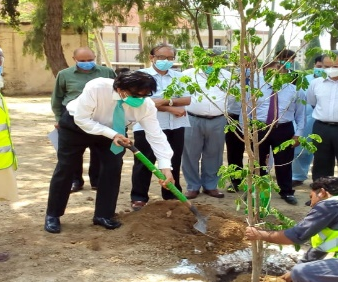
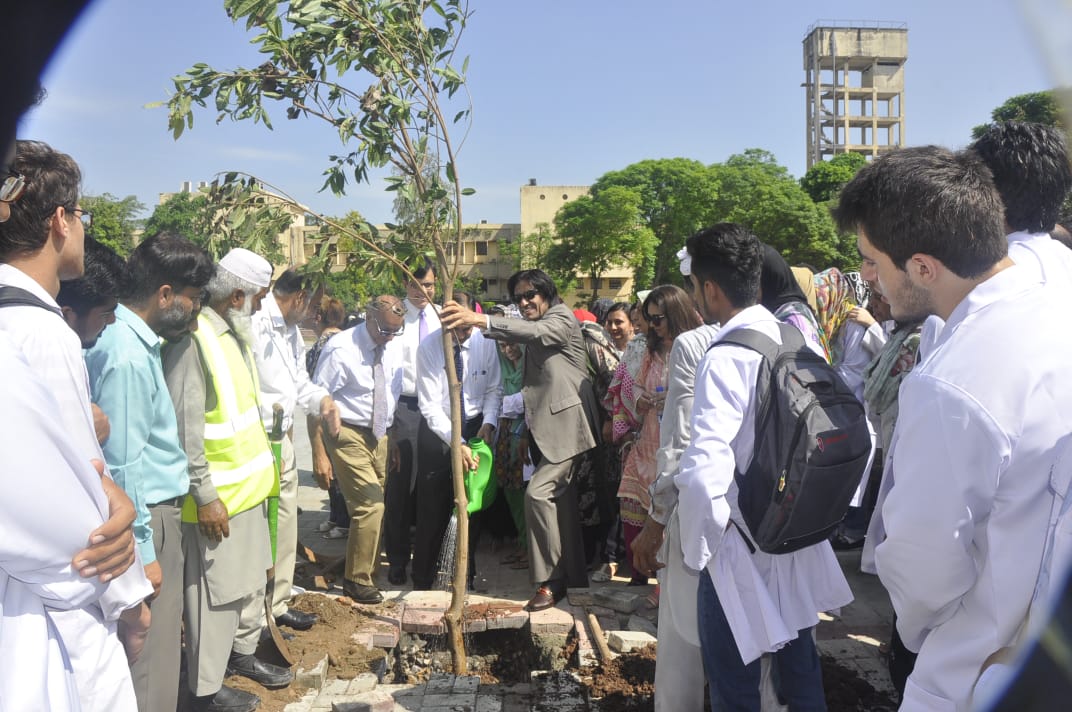
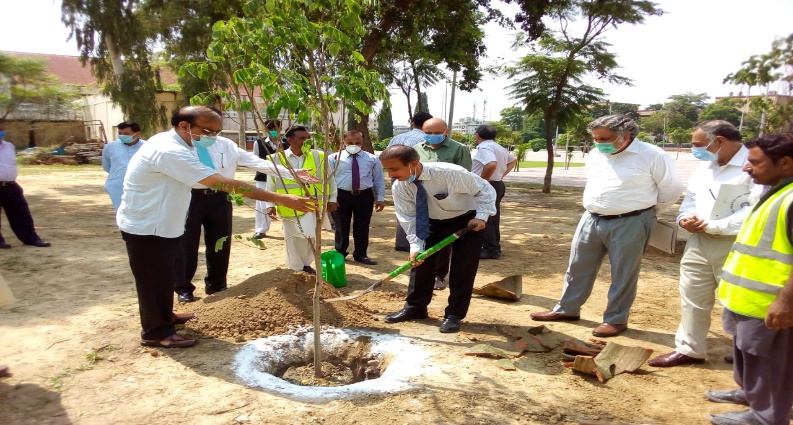
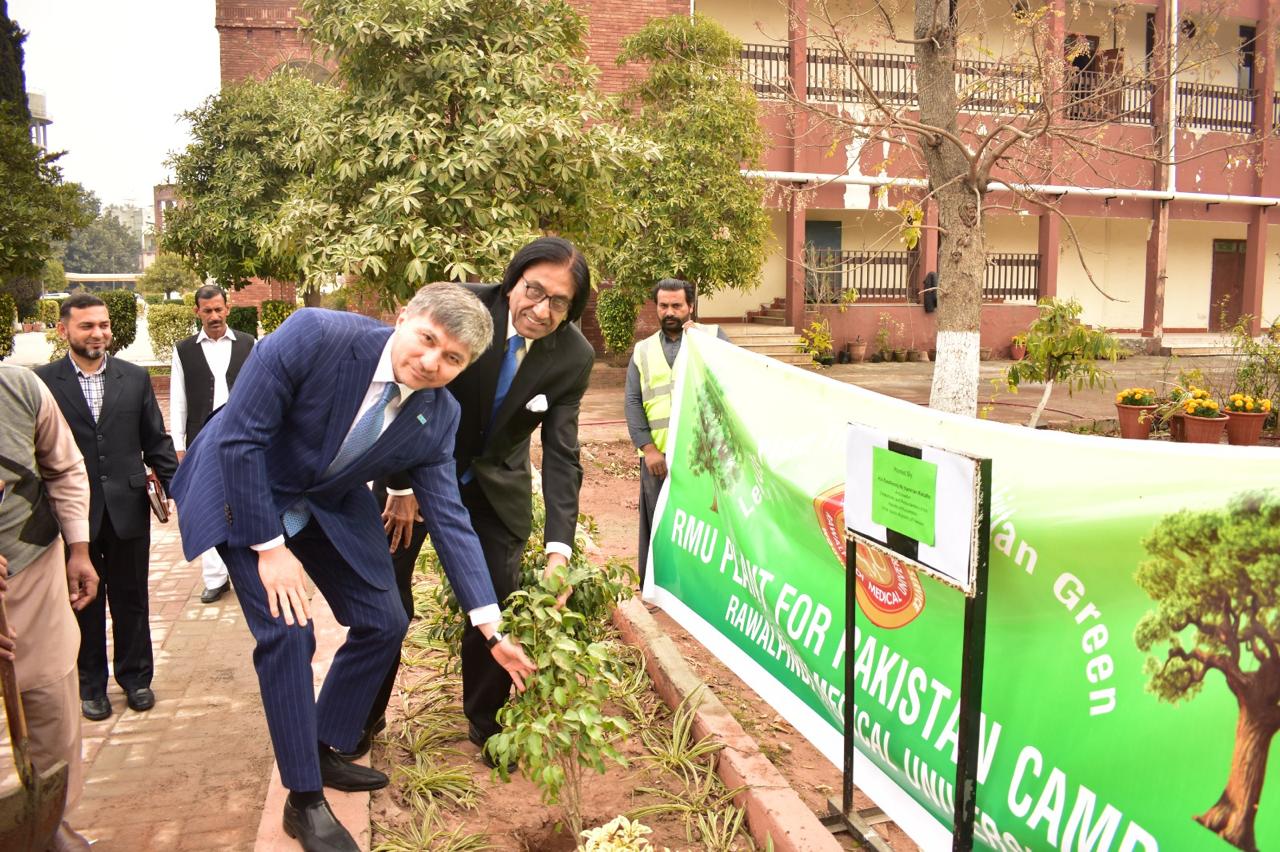
Rawalpindi Medical University recently organized a Clean and Green Plantation Day to promote environmental sustainability and awareness. Faculty members, students, and staff actively participated in planting trees across the university campus, reinforcing the importance of a greener future. The initiative aimed to enhance the university’s green cover, improve air quality, and contribute to a healthier environment. University officials emphasized the need for regular plantation drives to combat climate change and maintain ecological balance. The event also included awareness sessions on the significance of tree plantation in urban areas. RMU remains committed to its mission of fostering a cleaner and greener campus through such eco-friendly initiatives. The university encourages everyone to take part in similar efforts to create a sustainable and eco-conscious society.

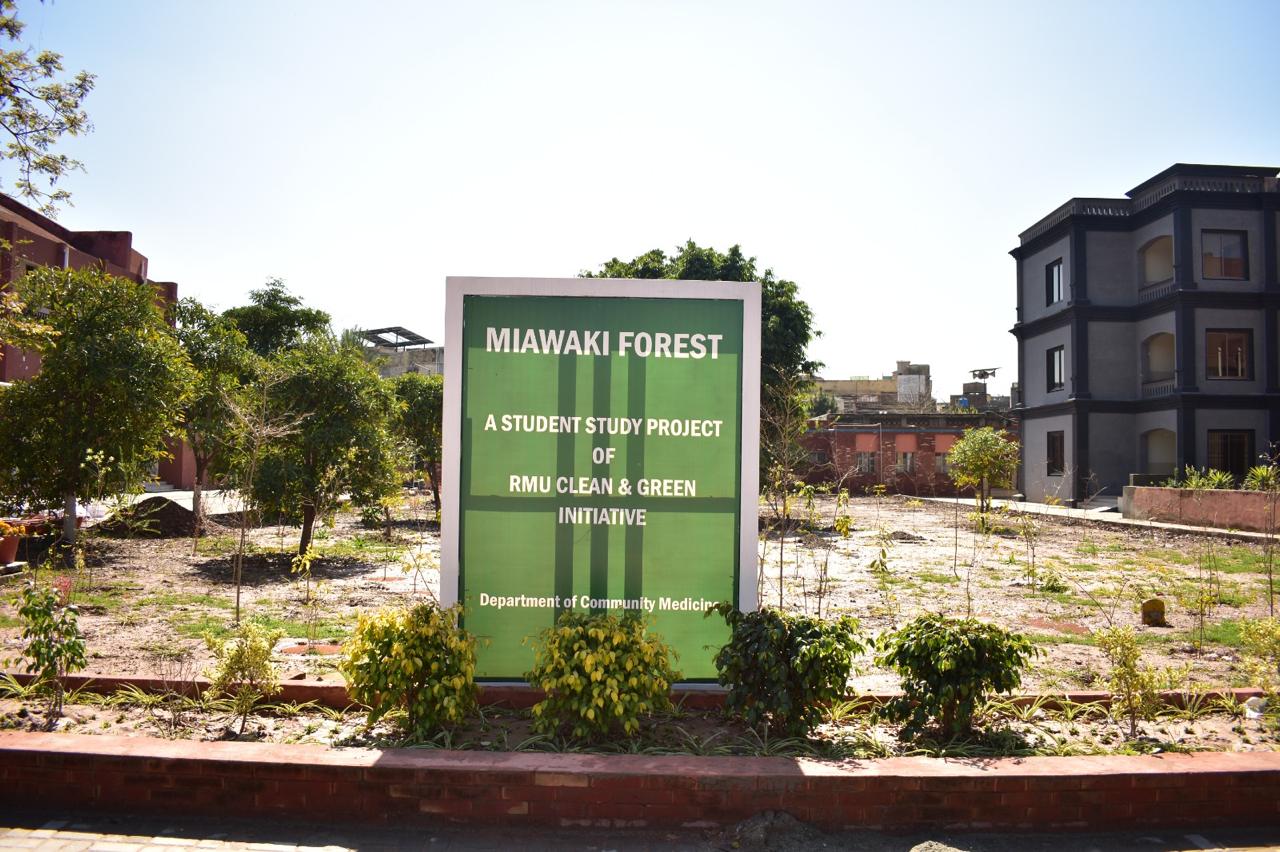
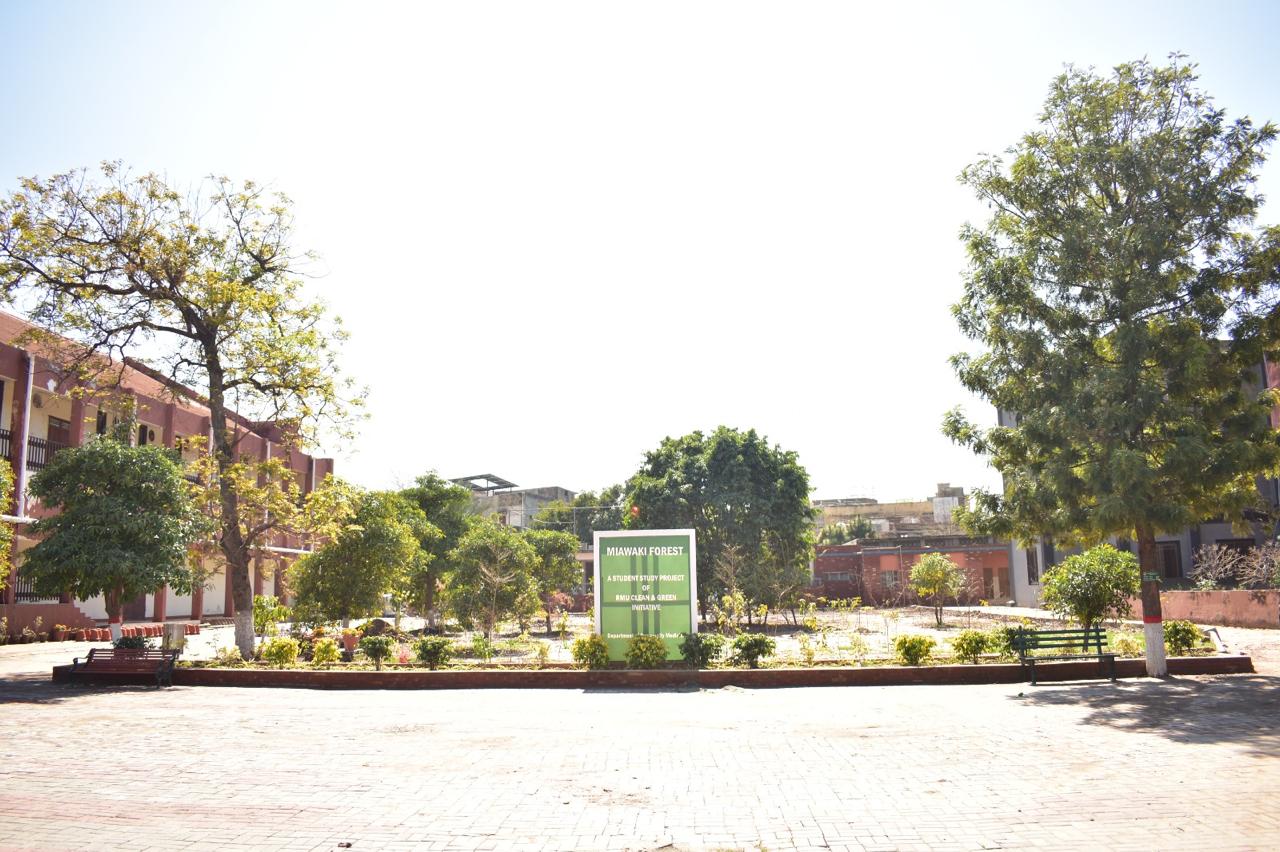
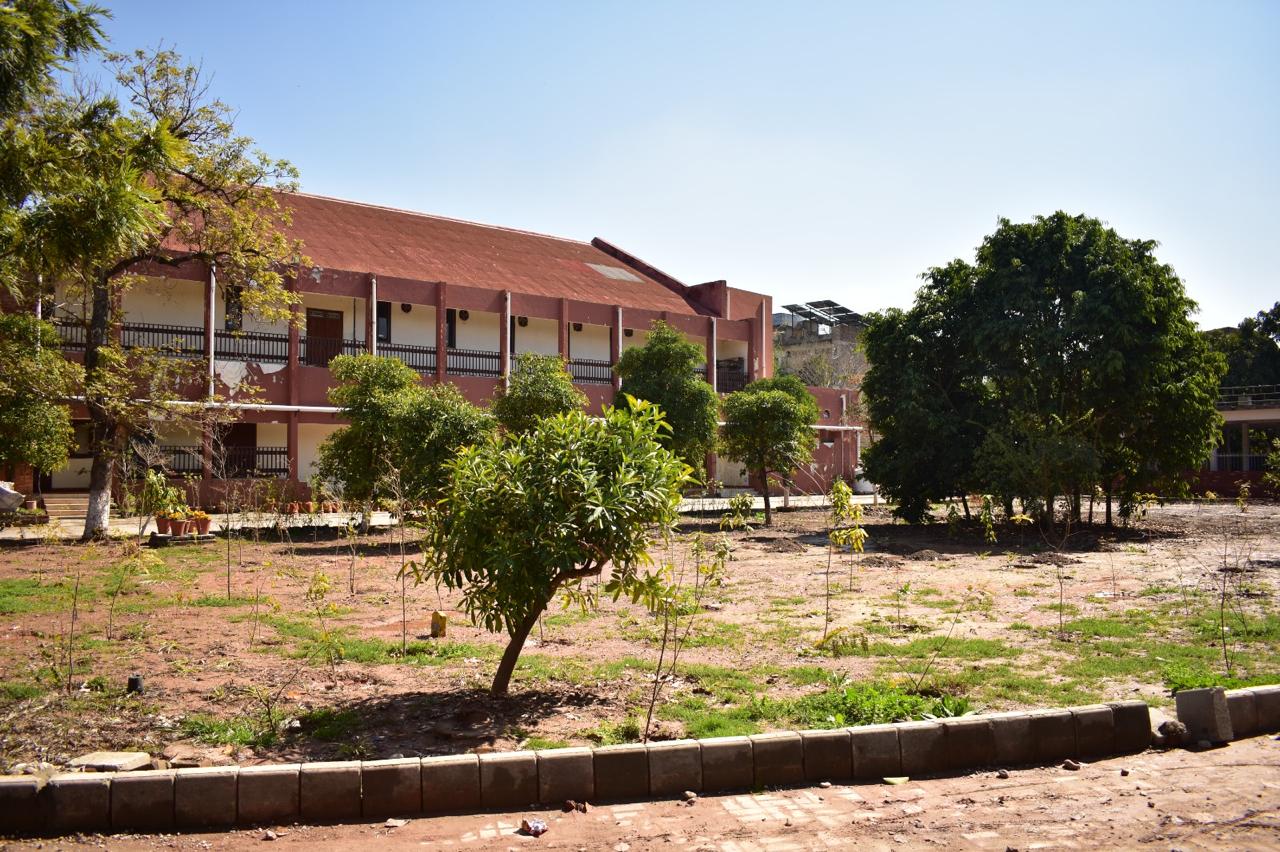
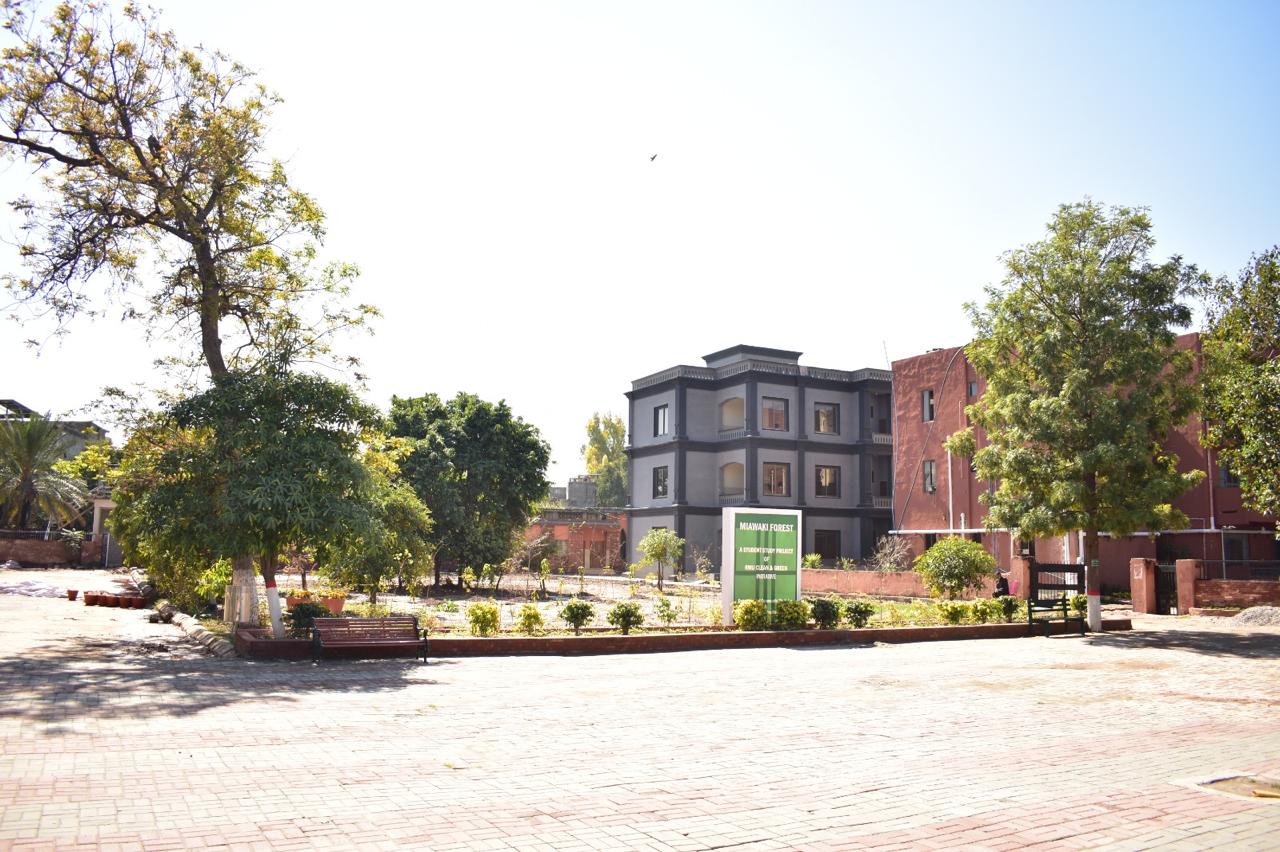
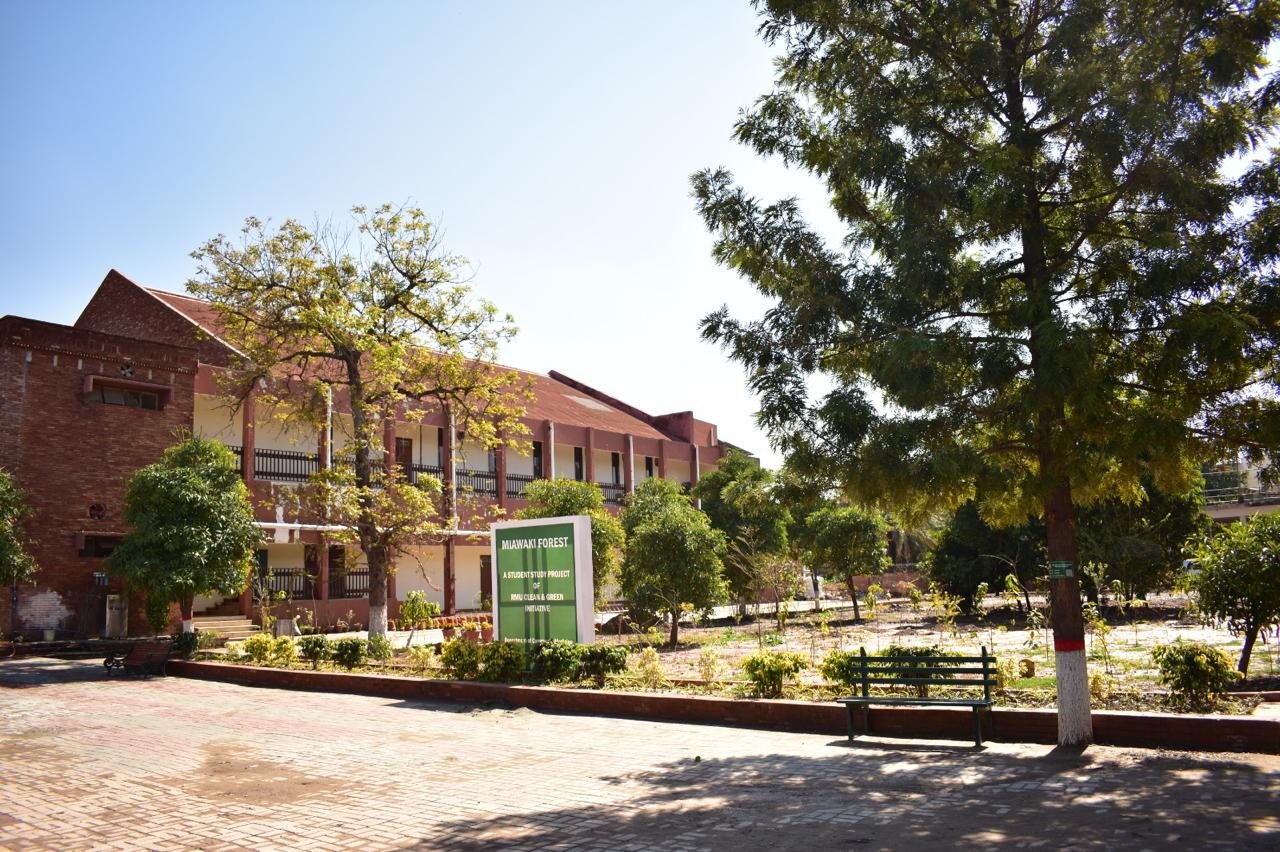
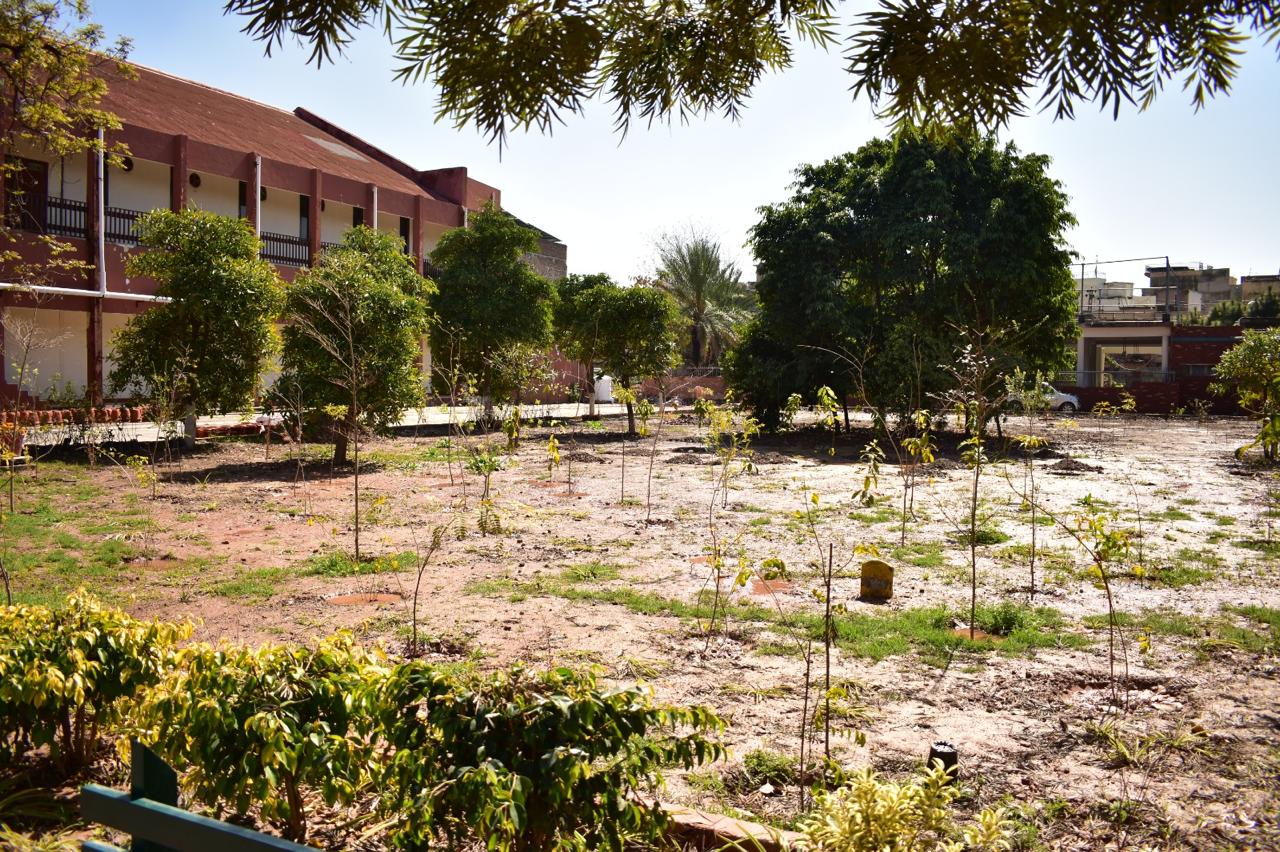
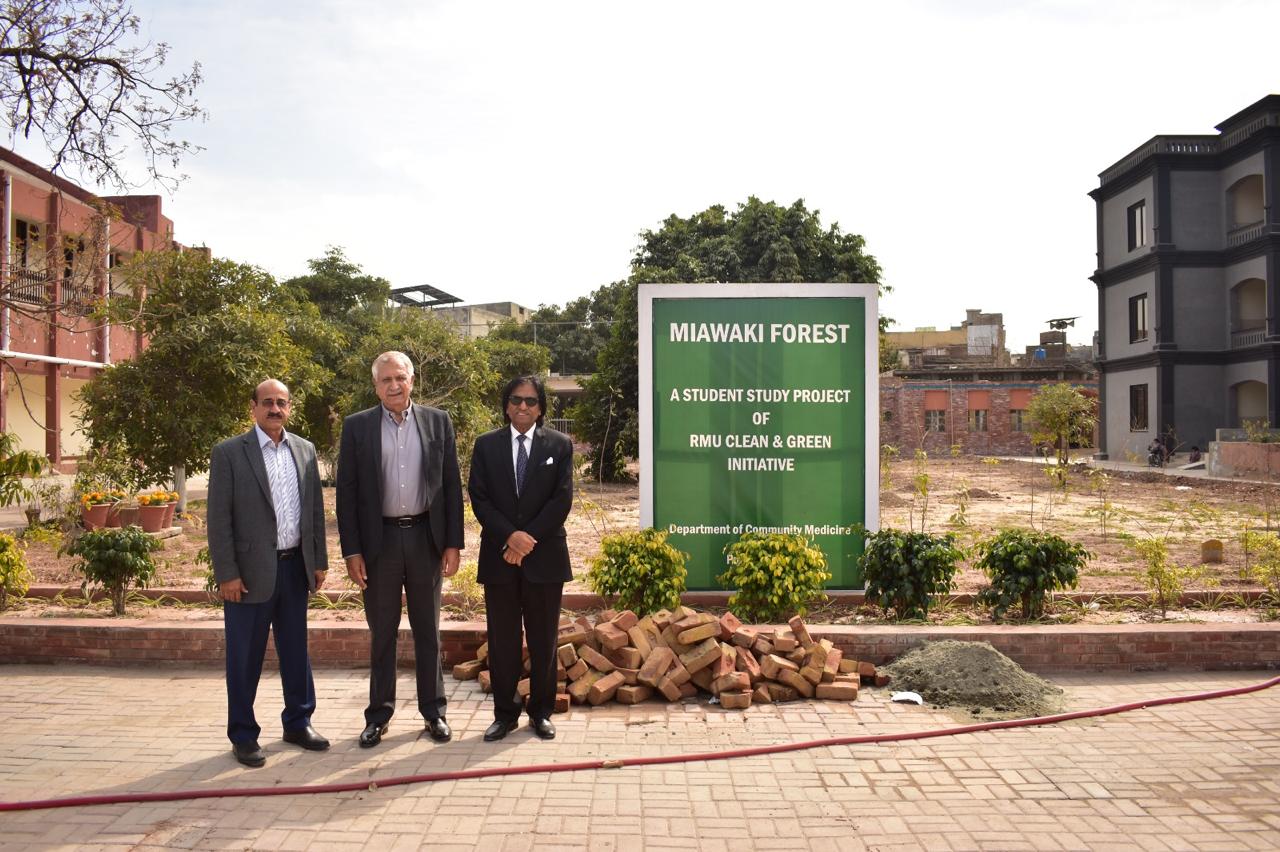
Miyawaki Forest

Miyawaki forests are dense, fast-growing forests that are created by planting native trees in close proximity.  The method was developed in the 1970s by Japanese forest ecologist Akira Miyawaki. 

How they’re created:
  1. Identify native plant species for the area
  2. Improve the soil with organic material
  3. Plant seedlings in a dense, mixed arrangement
  4. Remove weeds for a few years after planting
  5. Leave the grove to grow on its own

Benefits:

  • BiodiversityMiyawaki forests are home to more biodiversity than traditional forests
  • Climate resilienceThey can be created quickly and are low maintenance, making them a good way for cities to build resilience to climate change.
  • Carbon removalRestoring natural forests is one of the most effective ways to remove atmospheric carbon

Applications:

  • Miyawaki forests have been planted in RMU, Main Capus
  • They can be created on sites as small as 9 square meters
  • They can regenerate land in much less time than traditional reforestation methods 
 

Solar Project

With escalating electricity costs, intermittent power supply, and increasing environmental concerns, the need for sustainable energy solutions in Pakistan’s institutions is urgent. RMU’s adoption of a 500 kVA solar initiative aligns with national goals of energy security and institutional resilience. The solarization of RMU directly contributes to several SDGs. It advances SDG 7 by expanding access to reliable renewable energy, supports SDG 8 through fostering green jobs and economic resilience, enhances SDG 3 by ensuring uninterrupted energy for healthcare and education facilities, and aligns with SDG 13 by mitigating carbon emissions and strengthening climate resilience.

RMU has deployed photovoltaic (PV) technology at five critical sites—Lecture Theater Hall, Examination Halls, IT Department, Research Lab & Data Centre, Boys Hostel No. 1, and Girls Hostels Nos. 3 & 4. The hybrid system supports both reliable and efficient energy delivery across academic, research, and residential facilities.

Pakistan has enormous solar potential with an estimated capacity of 2.9 terawatts (TW). Solar energy is the most viable renewable form of energy in terms of cost, lifespan, and operational maintenance (1). Solar power capacity in Pakistan is rapidly expanding. By 2025, solar constituted over 25% of national generation—making it the largest power source in the mix (2, 9. Renewable energy’s share in Pakistan’s power capacity was about 10.6% in 2020, with goals to achieve 20% by 2025 and 30% by 2030


Water Conservation

Water is a fundamental element of healthcare and development. The World Health Organization (WHO) emphasizes the availability of safe and clean drinking water that ensures infection prevention and that access to safe water and a proper sanitation system and healthcare services are essential for infection prevention and reduced waterborne disease prevalence risks. Sanitation (1). Due to rapid climate changes, urbanization, and erratic rainfall, water scarcity has become a global public health priority in South Asia (2). The reliability of a water supply for healthcare and educational institutions such as Rawalpindi Medical University (RMU) and others is not without its own specific issues in accommodating its multiplicities for academic, clinical, and residential use. These issues link directly to Sustainable Development Goal (SDG) 6, which promotes universal access to a safe and affordable drinking water supply with spatial cognizance of improvements.

Water storage facilities serve as critical buffers against supply disruptions. Studies indicate that institutional water tanks reduce dependency on municipal supply and enhance resilience during shortages (3). At RMU, the total storage capacity is 40,000 gallons, comprising a 10,000-gallon underground tank at the main campus and a 30,000-gallon tank for hostels (5). This strategic allocation ensures uninterrupted supply for clinical operations, academic activities, and student hostels. Comparable systems in universities across South Asia have shown effectiveness in maintaining operations during municipal supply breakdowns (4, 6). However, literature highlights that without proper maintenance, such infrastructure risks microbial contamination and leakage losses (7). These challenges are directly linked to SDG 6, which emphasizes universal access to safe and affordable drinking water, improved sanitation, efficient water management, and the protection of water-related ecosystems.

Based on the literature and RMU’s experience, the following recommendation emerges:

  1. Expansion of Storage Capacity—Anticipating future growth in student intake and facilities.
  2. Rainwater Harvesting Systems – Effective on urban campuses, reducing reliance on municipal supply (14).
  3. Water Recycling and Reuse—Greywater recycling in hostels and academic blocks conserves potable water (15).
  4. Smart Monitoring Systems – Digital meters and leak detection reduce losses and improve efficiency (16).
  5. Strengthened Awareness Campaigns – Faculty and student involvement fosters long-term behavioral sustainability.
  6. Alignment with SDG 6 Targets – Institutional policies should be explicitly framed within the SDG 6 agenda to monitor progress.
    attract funding, and promote global partnerships for sustainable water management.

Water storage and management systems are critical for the functioning of healthcare and educational institutions. The case of RMU demonstrates how adequate infrastructure, maintenance, and crisis management strategies contribute to institutional resilience. Integrating sustainable practices such as rainwater harvesting, recycling, and smart monitoring can further strengthen preparedness against water scarcity in Pakistan and beyond. Strengthening institutional water infrastructure and sustainable practices not only ensures resilience for healthcare and educational operations but also directly advances the objectives of SDG 6. By adopting these measures, institutions like RMU contribute to the global movement towards clean water, sanitation, and sustainable development.

Wuzu Water Project

Religious institutions constitute significant yet underexplored environments for advancing climate-responsive water management strategies. In Islam, ablution (wudu) is a mandatory ritual purification performed before prayer to ensure personal hygiene. Although spiritually fundamental, the frequent daily performance of ablution may result in considerable water consumption, particularly in regions experiencing water stress. Amid escalating climate change impacts, growing water scarcity, and concerns regarding public health sustainability, improving the efficiency of ritual water use has become increasingly critical. This study evaluates ablution practices from a climate-smart perspective to identify opportunities for enhancing water-use efficiency within religious settings.


A quantitative cross-sectional study was conducted to assess water-use behavior during ablution, focusing on duration and volume of water consumed per session. A total of 103 participants who regularly performed ablution and provided informed consent were included. Individuals with physical limitations affecting ablution performance, incomplete sessions, or missing data were excluded. Direct measurements of ablution duration (minutes) and water consumption (liters) were recorded and analyzed using descriptive statistical methods. Educational attainment was examined as a potential determinant of water-use efficiency.

Considerable variation in ablution water use was observed across educational groups. Participants with higher educational attainment demonstrated shorter ablution durations and lower average water consumption per session. In contrast, individuals with matriculation-level education recorded the longest mean duration (5.77 minutes) and the highest average water use (6.50 L), contributing disproportionately to overall consumption despite representing a smaller proportion of the sample. The overall mean ablution duration and water use were 3.98 minutes and 3.57 L, respectively. The findings indicate an inverse association between educational attainment and water-use efficiency, highlighting behavioral determinants relevant to climate-smart water management.

The findings reveal an inverse association between educational level and water consumption during ablution, suggesting that education plays a key role in fostering efficient water-use behavior. These results highlight the importance of targeted educational and awareness initiatives to promote sustainable ablution practices and support broader water conservation strategies.